Featured
More Headlines
Reader favorite
Howie: The 10 people who helped reinvent Duluth
The modern Duluth enjoyed by residents and visitors did not emerge by accident. It was built by people willing to invest their talent, resources and leadership in a city they believed could become more than its industrial past.
Read This StoryTop Stories
Top Story
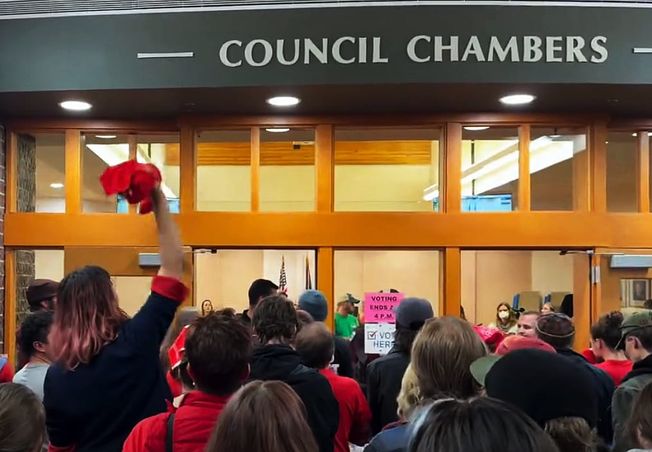
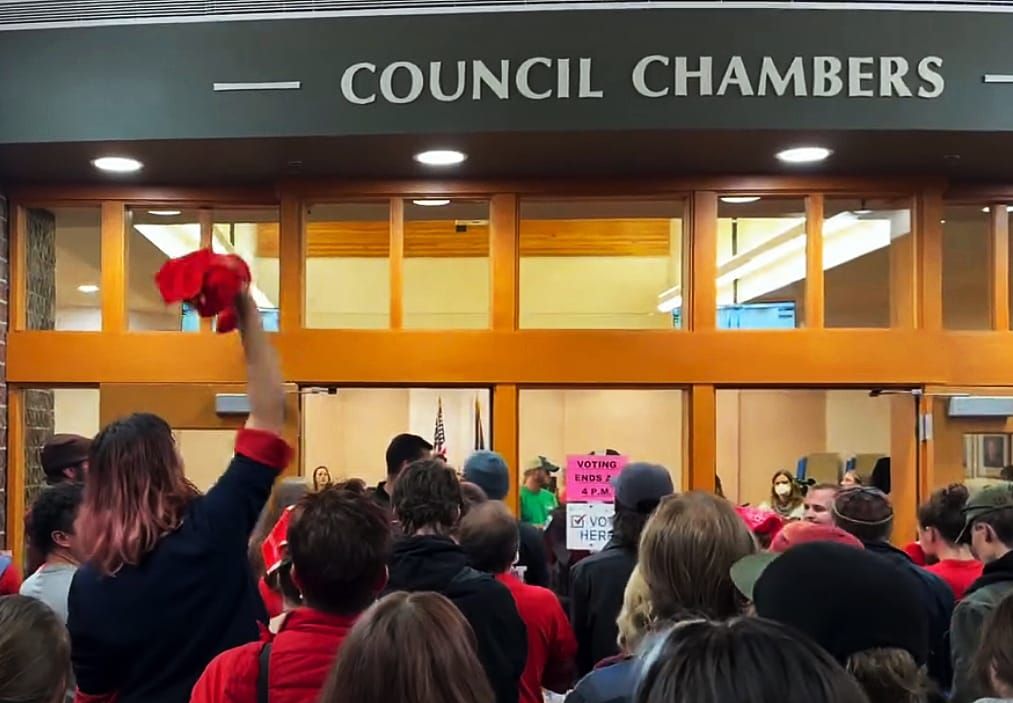
Howie: Duluth Schools’ referendum will rise or fall on trust
Readers' Choice
Most Read Stories This Month
The stories drawing the largest audiences at HowieHanson.com this month.
Howie: Reinert must answer Duluth’s $4.5 million budget question
The City of Duluth administration cannot warn taxpayers about a projected $5.5 million deficit while refusing to explain a recurring $4.5 million funding stream redirected from general operations. The account now has nearly $9 million.
Don Ness and the reinvention of Duluth
Ness convinced Duluth to stop speaking about itself like a city waiting for the next economic funeral and start speaking about itself like a place with a future worth competing for nationally. Not perfectly. Not without backlash. Not without legitimate criticism. But undeniably.
Howie: John Fedo turned Duluth toward the lake
Modern Duluth continues wrestling with the same tensions Mayor Fedo governed through decades ago. Tourism success created new economic pressures. Summer weekends increasingly made portions of Canal Park feel disconnected from the working-class identity that shaped Duluth for generations.
St. Louis County installs solar renewable energy systems on three Public Works facilities
With Minnesota currently importing 100% of its fossil fuels, solar power adds “homegrown” renewable sources of energy to the building and the state’s electrical grid.
Howie: Duluth should vote yes on both school referendum questions
Duluth Public Schools is not asking voters to finance a cure-all. It is asking for enough stability to protect student learning while the district continues the harder work of controlling costs, correcting financial procedures and reshaping operations.
DECC to celebrate 60th anniversary with free public tours
DULUTH, Minn. — The Duluth Entertainment Convention Center will celebrate its 60th anniversary by opening its waterfront campus for free public tours from 5 to 7 p.m. Thursday, Aug. 20. The event will give visitors a behind-the-scenes look at the nearly 1 million-square-foot complex, which has
Howie: Mark Wilf draws a championship line for Vikings
Wilf also addressed the family’s long-term commitment to the franchise amid soaring NFL team values and recent ownership sales. The Vikings are not being positioned for an exit. The next generation of the Wilf family is becoming involved, and ownership intends to remain in place.
Howie on Vikings Training Camp: Murray leans on repetition, experience in quarterback competition
Murray’s arrival gives the Vikings a legitimate alternative to McCarthy and gives O’Connell flexibility he did not have when injuries repeatedly forced changes at the position last season. It also gives Murray a fresh opportunity after seven years in Arizona.
Howie on Vikings Training Camp: Flores begins reshaping Vikings defense around Adams, Turner
Flores said Minnesota has assembled a productive mix of rookies, developing players and established veterans, creating legitimate battles at several positions.
Howie on Vikings Training Camp: O’Connell outlines Murray-McCarthy competition
“You don’t have to watch his tape very long to feel that play extension and the ability to not only steal some first downs with his legs, but he can go get a lot more than that.” -- Vikings head coach Kevin O’Connell on projected QB1 Kyler Murray
Howie
Today’s Print Edition
Local news · Community · Sports · Updated throughout the day
Willie Howard named Minnesota Monsters head coach
18-year-old arrested after gunfire near North Star Township bonfire
Howie: Duluth Schools’ referendum will rise or fall on trust
St. Louis County installs solar renewable energy systems on three Public Works facilities
By DANA KAZEL
St. Louis County's three newest Public Works facilities - in Culver and Kugler Townships, and near the Whiteface Reservoir - are now equipped with a 40-kilowatt solar array on each roof.
The solar panels were produced locally by Heliene in Mountain Iron, and made possible thanks to $336,000 in grants ($112,000 for each building) from the Minnesota Department of Commerce's Statewide Solar on Public Buildings Program.
Each solar array is capable of producing 55 megawatts of electric energy annually, which is expected to cover 73% of the facilities' electrical energy usage. This estimation takes into account average snowy and cloudy days at each location.
Additionally, the non-fossil fuel energy generated equates to a reduction in approximately six metric tons of carbon emissions for each system annually, or 18 metric tons for all three. Over a typical life expectancy of 25 years, that is a reduction of 450 metric tons of carbon emissions.
"Everything about this project is a win," said County Board Chair Mike Jugovich. "We are using domestically produced solar panels installed by local trade labor. And they are generating renewable energy, and reducing utility costs, which will save money for our taxpayers for decades to come."
These three Public Works garages were completed in 2024, and the roofs were designed with the intent to add solar panels once funding was available.
Solar on Public Buildings is designed to provide incentives for installation of solar energy systems on Minnesota local government buildings. The program offers benefits to communities across Minnesota by reducing energy costs and electricity-based greenhouse gas emissions. Additionally, the local economy benefits from investments made in expanding energy infrastructure, and from adding clean energy jobs, like solar installations.
With Minnesota currently importing 100% of its fossil fuels, solar power adds “homegrown” renewable sources of energy to the building and the state’s electrical grid.
To learn more about the Solar on Public Buildings Program, visit Solar on Public Buildings / Minnesota Department of Commerce - Energy.
Hawks enter fall with contenders, questions and unfinished business
Community News
Page 218-year-old arrested after gunfire near North Star Township bonfire
St. Louis County installs solar renewable energy systems on three Public Works facilities
By DANA KAZEL
St. Louis County's three newest Public Works facilities - in Culver and Kugler Townships, and near the Whiteface Reservoir - are now equipped with a 40-kilowatt solar array on each roof.
The solar panels were produced locally by Heliene in Mountain Iron, and made possible thanks to $336,000 in grants ($112,000 for each building) from the Minnesota Department of Commerce's Statewide Solar on Public Buildings Program.
Each solar array is capable of producing 55 megawatts of electric energy annually, which is expected to cover 73% of the facilities' electrical energy usage. This estimation takes into account average snowy and cloudy days at each location.
Additionally, the non-fossil fuel energy generated equates to a reduction in approximately six metric tons of carbon emissions for each system annually, or 18 metric tons for all three. Over a typical life expectancy of 25 years, that is a reduction of 450 metric tons of carbon emissions.
"Everything about this project is a win," said County Board Chair Mike Jugovich. "We are using domestically produced solar panels installed by local trade labor. And they are generating renewable energy, and reducing utility costs, which will save money for our taxpayers for decades to come."
These three Public Works garages were completed in 2024, and the roofs were designed with the intent to add solar panels once funding was available.
Solar on Public Buildings is designed to provide incentives for installation of solar energy systems on Minnesota local government buildings. The program offers benefits to communities across Minnesota by reducing energy costs and electricity-based greenhouse gas emissions. Additionally, the local economy benefits from investments made in expanding energy infrastructure, and from adding clean energy jobs, like solar installations.
With Minnesota currently importing 100% of its fossil fuels, solar power adds “homegrown” renewable sources of energy to the building and the state’s electrical grid.
To learn more about the Solar on Public Buildings Program, visit Solar on Public Buildings / Minnesota Department of Commerce - Energy.
Downtown Duluth leaders outline five-year strategy aimed at crime, homelessness, addiction and mental health
Sports
Page 3Opinion
Page 4Duluth
Page 5Could AI become the next iron ore for Duluth?
The HowieHanson.com is powered by Lyric Kitchen · Bar
DULUTH — For more than a century, Duluth's economy has been built around moving things: iron ore, coal, grain, lumber, steel. The story of this city has largely been the story of raw materials arriving by rail, being loaded onto ships, and departing through one of the world's great freshwater ports.
But what if the next major economic opportunity arriving in Duluth isn't something you can touch at all? What if it is information?
That question surfaced recently as developers in Minneapolis explored whether portions of the historic Dayton's redevelopment project might someday be converted into a data center. The idea may sound futuristic, but it reflects one of the most significant economic shifts taking place in America today. As artificial intelligence rapidly expands, companies are scrambling to build the digital infrastructure necessary to power it. Data centers, once obscure industrial facilities tucked away on the outskirts of cities, have become some of the most sought-after real estate investments in the world.
The reason is simple. Every ChatGPT request, every streaming movie, every cloud-based business transaction, every medical record and every AI-generated image requires enormous computing power. That computing power lives inside buildings filled with servers, networking equipment, cooling systems and backup power infrastructure. The demand is growing so quickly that utilities, developers and economic development officials across the country are racing to identify locations capable of supporting the next generation of digital infrastructure.

Which raises a question that deserves serious discussion in Duluth. Could the city become a regional hub for data centers? At first glance, the answer might surprise people.
Duluth possesses several characteristics that data-center developers actively seek. The climate is cooler than much of the country, reducing cooling costs that can consume a substantial portion of a facility's operating budget. Industrial land remains available. The city sits at the crossroads of major transportation and communications networks. Fiber-optic connectivity continues to expand. And perhaps most importantly, Duluth has a long history as an energy-intensive industrial community.

The challenge, however, is not land. It is power.
Modern artificial intelligence has changed the economics of data centers. A generation ago, a data center was essentially a large office building filled with computers. Today's AI facilities resemble industrial complexes. Some require as much electricity as small cities. Developers increasingly evaluate potential locations based on one question above all others: How quickly can substantial amounts of power be delivered to the site?

That reality places communities in direct competition with one another. The winners will not necessarily be the biggest cities. They will be the cities capable of delivering reliable power, modern infrastructure and supportive regulatory environments.
Duluth deserves consideration in that conversation. This community understands large-scale industry. It understands infrastructure. It understands how to build and maintain complex facilities that operate around the clock. Those are advantages that cannot be overlooked as the economy continues its transition into a more digital future.

At the same time, nobody should mistake data centers for traditional manufacturing facilities. They are not major job creators after construction is completed. A billion-dollar facility may employ only a few dozen highly skilled workers once operational. The economic benefits are real, but they differ significantly from the thousands of jobs historically associated with mining, paper production or steel manufacturing.
That distinction matters. Economic development leaders must ask whether pursuing data-center investment complements broader efforts to attract housing, technology firms, healthcare expansion and traditional industrial development. The answer may ultimately be yes, but it deserves careful examination.

The more interesting question may be whether Duluth's industrial districts could someday be repurposed for entirely new uses. Throughout its history, the city has repeatedly adapted to changing economic realities. Lumber gave way to ore. Ore gave way to shipping and tourism. Tourism expanded alongside healthcare and education. Each transition required local leaders willing to recognize emerging opportunities before they became obvious.
Artificial intelligence may represent the next transition. No one is suggesting that towering server farms will suddenly appear along the waterfront next year. The economics, infrastructure requirements and power demands remain formidable. Yet it is worth remembering that many of the industries that ultimately transformed Duluth initially seemed improbable.

A century ago, few residents could have imagined giant ore docks dominating the harbor skyline. Decades later, few predicted tourism would become one of the region's economic pillars. Today, many people view artificial intelligence as something that happens elsewhere — in Silicon Valley, Seattle or Northern Virginia.
That may prove to be a mistake. The communities that benefit most from the AI revolution will not simply be the places where software is developed. They will also be the places where the infrastructure that powers the technology is built.
Duluth has spent generations moving the raw materials that fueled America's industrial economy. The question now is whether it can play a role in powering America's digital one. The answer may help define the city's next century.
Howie: The 10 people who helped reinvent Duluth

Howie's daily column is powered by Lyric Kitchen Bar in Downtown Duluth. Contact Howie at HowieHanson@gmail.com
Fifty years ago, Duluth stood at a crossroads. The city's industrial economy, built on shipping, manufacturing, railroads and natural resources, faced mounting challenges. Population growth had stalled. Major employers were disappearing.
Like many Great Lakes cities, Duluth faced difficult questions about its future. The answer would not come from a single mayor, business leader or civic organization. It would emerge through the collective efforts of visionaries who saw possibilities where others saw decline.
This list is not a ranking of the most famous Duluthians, the wealthiest residents or the most powerful elected officials. Instead, it seeks to answer a different question: Who did the most to transform Duluth from a struggling industrial port city into the tourism, healthcare, education, outdoor recreation and business center it has become today?
The individuals on this list built companies, launched institutions, guided public policy, supported philanthropy and helped create the modern identity of Duluth. Together, they helped write one of the most remarkable civic comeback stories in the Upper Midwest.


Few individuals have exerted a greater influence on modern Duluth than Labovitz. As a businessman, civic leader and philanthropist, Labovitz helped shape the economic and cultural foundation upon which much of contemporary Duluth was built. His impact extended through retailing, real estate development, higher education, philanthropy and community leadership, touching nearly every aspect of civic life.
The Labovitz family's influence on retailing became legendary through Maurices, which grew from a small women's clothing store founded in downtown Duluth into one of the nation's most successful specialty apparel chains. The company expanded across the United States while maintaining deep roots in Duluth. Maurices demonstrated that a nationally recognized retail brand could be built and managed from northeastern Minnesota, creating jobs and economic opportunity while enhancing the city's reputation as a center of business innovation.
Labovitz also understood that successful communities require strong institutions. His support for education, healthcare, cultural organizations and civic initiatives helped strengthen the city's social infrastructure. Whether through philanthropy, board leadership or community partnerships, he consistently invested in projects that improved the quality of life for future generations.
Perhaps his greatest contribution was helping instill confidence in Duluth itself. At a time when many communities were losing corporate headquarters and struggling to attract investment, Labovitz demonstrated that major enterprises could thrive in the Northland. His legacy remains visible in the businesses, institutions and community organizations that continue to shape Duluth today.


If Labovitz helped establish Maurices, Goldfarb helped transform it into a national powerhouse. During his decades of leadership, Maurices grew into one of America's largest women's specialty retailers while maintaining its headquarters in Duluth. Few executives have had a greater impact on the city's private-sector economy.
Goldfarb's success came during a period when many corporations were abandoning smaller cities in favor of major metropolitan areas. Under his leadership, Maurices continued to expand nationally while remaining firmly committed to Duluth. The company provided thousands of jobs and became one of the city's most important economic engines.
Beyond Maurices, Goldfarb emerged as one of the most respected voices in the regional business community. He served on corporate boards, advised nonprofit organizations and participated in economic development initiatives that helped shape Duluth's future. His influence often occurred quietly, away from public attention, but his counsel was widely sought by civic and business leaders.
Goldfarb helped prove that Duluth could compete in a modern, knowledge-based economy. His leadership strengthened confidence in the community and reinforced the idea that world-class companies could succeed while remaining headquartered on the shores of Lake Superior.


- Jeno and Lois Paulucci
Few names are more closely associated with civic generosity than Jeno and Lois Paulucci. Their influence extends across the city through parks, public spaces, charitable giving and countless community improvements that continue benefiting residents decades later.
Jeno Paulucci built one of America's great food-industry success stories, transforming a small business venture into an international enterprise. Rather than distancing himself from his hometown, he chose to invest heavily in Duluth's future. Lois became an equally important partner in that effort, supporting numerous philanthropic and civic initiatives.
Their most visible contribution may be Bayfront Festival Park, which transformed a portion of the waterfront into one of the city's most beloved public gathering spaces. The park hosts concerts, festivals and community celebrations that attract thousands of residents and visitors each year.
The Pauluccis understood that quality of life matters. Their investments helped make Duluth more attractive to families, businesses and visitors alike. Their legacy remains woven into the city's physical landscape and civic identity.


Ness inherited a city facing significant challenges and left office having helped redefine its future. During his tenure as mayor, Ness championed a vision of Duluth centered on growth, innovation and opportunity.
One of his most important accomplishments involved addressing longstanding financial challenges, such as the unfunded $300-plus million retiree health care obligation, that threatened the city's stability. Difficult decisions regarding budgets and public spending helped position Duluth for future investment and growth. Those decisions were not always popular, but they provided a stronger foundation for the years ahead.
Ness also became one of Duluth's most effective ambassadors. He promoted the city nationally, encouraged entrepreneurship and worked to attract young professionals. His message was simple: Duluth was not merely surviving; it was becoming a destination for talent, investment and innovation.
Even after leaving office, Ness remains one of the city's most influential civic leaders. His relationships across government, healthcare, business and education continue to shape discussions about Duluth's future.


Modern Canal Park begins with Fedo. Long before waterfront redevelopment became commonplace, he recognized the potential of Duluth's shoreline and championed efforts to transform underutilized industrial land into a thriving destination.
The redevelopment initiatives launched during his administration created opportunities for private investment that would eventually reshape the city's economy. Hotels, restaurants, attractions and public spaces followed, creating one of the most successful waterfront districts in the Midwest.
Fedo's vision required persistence. Many residents questioned whether tourism could ever become a major economic driver. Yet he continued advocating for projects that connected residents and visitors with Lake Superior and the harbor.
Today, Canal Park stands as one of the defining features of modern Duluth. Millions of annual visitors experience a waterfront district that owes much of its existence to Fedo's leadership and long-term vision.


Borg helped build more than a successful restaurant company. He helped create a cornerstone of modern Canal Park and Duluth's visitor economy.
As co-founder of Grandma's Restaurants, Borg recognized the growing potential of waterfront tourism and invested accordingly. Grandma's became one of Duluth's most recognized brands, drawing visitors from across the Midwest while helping establish Canal Park as a destination.
The company's success encouraged additional private investment in the district and demonstrated that locally owned businesses could thrive by embracing Duluth's unique identity. Grandma's became synonymous with hospitality, community and the North Shore experience.
Through decades of leadership, Borg helped strengthen the tourism economy that now supports thousands of jobs and generates significant economic activity throughout the region.


Few individuals have promoted Duluth more effectively than Keenan. Through Grandma's Marathon, he created an event that introduced countless visitors to the city while generating millions of dollars in annual economic activity.
What began as a modest road race evolved into one of North America's premier marathons. Under Keenan's leadership, the event grew in stature and became an annual tradition that draws participants from around the world.
The marathon's impact extends well beyond race weekend. Thousands of runners return to Duluth repeatedly, bringing family members, supporting local businesses and becoming ambassadors for the community.
Keenan's achievement demonstrates how a single idea, pursued with persistence and vision, can reshape a city's reputation and economic future.
- Monnie and Erv Goldfine
The Goldfine brothers were among the earliest champions of a tourism-based future for Duluth. Through business leadership, civic involvement and community advocacy, they helped position the city for long-term success.
Monnie became one of Duluth's most effective promoters, championing projects ranging from Spirit Mountain to waterfront development. His ability to bring people together around common goals helped advance numerous initiatives that remain important today.
The brothers understood that Duluth's greatest assets were its natural beauty, harbor and unique character. Their efforts helped shift the community's focus toward tourism, hospitality and visitor experiences.
Many attractions and institutions that now define Duluth's visitor economy benefited directly from the Goldfines' leadership, support and vision.
Few individuals have influenced both healthcare and higher education in Duluth as profoundly as Sister Hofer. Her leadership helped guide major institutional changes during critical periods of growth and transformation.
Through her work with St. Mary's Medical Center and later healthcare partnerships, Sister Kathleen helped strengthen one of the sectors that now serves as a cornerstone of the regional economy. Her ability to bridge mission, leadership and organizational change proved invaluable during periods of significant transition.
Her influence also extended to The College of St. Scholastica, where she served in key governance and leadership roles. Her commitment to education helped strengthen one of Duluth's most important institutions and contributed to workforce development throughout the region.
Sister Kathleen's legacy reflects the power of servant leadership. Through faith, vision and collaboration, she helped build institutions that continue serving thousands of residents throughout northeastern Minnesota.
Stender's contributions to Duluth span education, business, philanthropy and civic leadership. Few individuals have influenced as many sectors of community life over such an extended period.
As the first lay president of The College of St. Scholastica, Stender guided the institution during a period of growth and modernization. His leadership helped strengthen academic programs, expand facilities and elevate the college's profile throughout the region.
Stender later became a leading figure in the business community through Labovitz Enterprises, ALLETE and numerous civic organizations. His leadership helped strengthen relationships between the private sector, higher education and community institutions.
Like many of the individuals on this list, Stender's greatest contributions often occurred behind the scenes. Through thoughtful leadership, strategic vision and a lifelong commitment to community service, he helped shape the modern Duluth that residents know today.
The modern Duluth enjoyed by residents and visitors did not emerge by accident. It was built by people willing to invest their talent, resources and leadership in a city they believed could become more than its industrial past.
Some built businesses. Others guided public policy. Some created events, strengthened institutions or invested philanthropic resources. Together, they transformed Duluth into a city known for tourism, healthcare, higher education, entrepreneurship and quality of life.
History may debate the precise order of these rankings. What is far more difficult to debate is their collective impact. Without these individuals, the story of modern Duluth would be dramatically different.
Howie: Duluth needs summer more than ever

Howie's daily column is powered by Lyric Kitchen Bar in Downtown Duluth. Contact Howie at HowieHanson@gmail.com
Summer always arrives with energy in Duluth, but this year it feels more like relief. There is a different emotional tone hanging over the city as June begins, and it is not difficult to understand why. People are exhausted. Not dramatic. Not defeated. Just tired from carrying the financial and emotional weight that has steadily built over the past several years.
Gasoline prices are climbing again just as tourism season begins filling highways with traffic headed north. Grocery bills continue hammering working families and retirees alike. Insurance costs continue climbing. Utility bills remain stubbornly high. Property owners already are bracing for another round of difficult conversations involving local government budgets and the growing pressure to hold the line on residential and commercial property taxes.
Small businesses continue facing uncertainty about labor, operating costs and consumer spending habits. Meanwhile, another Duluth mayoral election quietly waits around the corner, bringing with it the early signs of another long political season filled with messaging campaigns, strategic positioning and arguments over the future direction of the city.

But perhaps the greatest pressure is being felt quietly inside homes occupied by seniors and lower-income residents trying to survive on fixed incomes that no longer stretch far enough to cover ordinary life. Many older residents spent decades doing exactly what society asked of them. They worked long careers, raised families, paid taxes, maintained homes and lived responsibly. Now many of those same people sit at kitchen tables trying to figure out how to absorb another property tax increase, another utility bill increase, another prescription cost and another grocery trip where basic necessities suddenly feel almost unaffordable.
Proud people often suffer quietly in Duluth. Many seniors do not complain publicly. They simply adjust. They stop dining out. They delay home repairs. They cut back driving. Some quietly worry about whether they can continue living independently inside the homes they spent decades paying off. Others are delaying retirement entirely because inflation and rising costs have eroded the financial cushion they believed would protect them during their later years.

That emotional fatigue matters because it helps explain why summer feels different here than it does in many American cities. In Duluth, summer is not simply a tourism season. It becomes an emotional reset for residents who have spent eight long months enduring gray skies, brutal cold, icy streets, darkness and the constant grind of ordinary financial stress.
Then June arrives and the city exhales.
Grandma’s Marathon returns. Bayfront Festival Park fills with music and crowds again. Restaurant patios reopen. The Lakewalk comes alive with tourists, runners, bicyclists and families pushing strollers near the lake. Boats begin moving through the harbor again. Children stay outside until nearly 10 p.m. Visitors pour into Canal Park from Minneapolis, Chicago, Iowa, the Dakotas and beyond, reminding local residents that the place they sometimes criticize and worry about still remains one of the most naturally beautiful and unique small cities in America.

That outside perspective matters because people who live inside a city year-round often become conditioned to seeing only the frustrations. Potholes. Property taxes. Construction projects. Political arguments. Parking headaches. Bureaucracy. Public safety concerns. Visitors often see something completely different. They see the hills. The lake. The lift bridge. The ore boats. The rocky shoreline. The sunsets that still stop strangers in their tracks. They see a city with identity and authenticity in an era when much of America increasingly feels interchangeable.
Tourism season also carries enormous economic importance for Duluth itself. Hotels, restaurants, breweries, retailers, attractions and entertainment venues rely heavily on these few critical summer months. Many businesses generate a substantial percentage of their annual revenue between Memorial Day and Labor Day. That revenue supports jobs, stabilizes businesses and helps sustain amenities residents themselves enjoy during the remainder of the year. Summer visitors are not separate from the local economy. In many ways, they help hold large portions of it together.

Certainly, tourism season comes with frustrations. Canal Park traffic can become aggravating. Parking becomes difficult. Downtown crowds occasionally test local patience. But those inconveniences are manageable compared with the economic damage that would follow empty hotel rooms, struggling restaurants and declining visitor activity during a period when economic uncertainty already hangs over much of the country.
The deeper truth is many Duluth residents simply need this summer emotionally. They need packed sidewalks and crowded patios. They need concerts at Bayfront and families along the Lakewalk. They need baseball games, festivals, harbor activity and tourists asking for directions near the lift bridge. They need reminders that life cannot become an endless cycle of bills, politics, inflation, anxiety and survival.

Duluth has always been a resilient city. It has endured mining downturns, manufacturing losses, harsh winters, economic reinventions, political divisions and population concerns. The city has survived because generations of residents learned how to adapt during difficult periods. But resilience alone eventually becomes exhausting. People also need joy, optimism and reminders that daily life still can contain beauty and enjoyment alongside responsibility.
There will be plenty of time for arguments again this fall. Budget debates will intensify. Property-tax discussions will dominate public meetings. The mayoral race will slowly begin consuming local political oxygen. Candidates will promise solutions. Critics will demand accountability. Social media will overflow with certainty and outrage. That cycle is not going away.

But first comes summer.
And after several years of inflation, economic pressure, political fatigue and the relentless grind of modern life, perhaps the healthiest thing Duluth can do right now is simply enjoy itself for a while. Not blindly. Not irresponsibly. Just gratefully. Because for many residents, summer in Duluth is not merely tourism season. It is a relief.

Downtown Duluth
Page 6Downtown Duluth leaders outline five-year strategy aimed at crime, homelessness, addiction and mental health
Man arrested on fentanyl, methamphetamine sale allegations
A 54-year-old man was arrested Wednesday after investigators said they observed him selling drugs in the 200 block of No. 2 Alley in Downtown Duluth.
Michael Clark was booked into the St. Louis County Jail pending charges of second-degree sale of fentanyl and second-degree sale of methamphetamine, according to the Lake Superior Violent Offender Task Force.
Investigators reported seizing 5.6 grams of fentanyl and 3.6 grams of methamphetamine during a search following the arrest. The drugs were packaged for sale, authorities said.
Clark was on probation for felony domestic assault and third-degree possession of fentanyl at the time of his arrest, according to the task force.
Arrest warrant issued in Canal Park shooting as Duluth investigates three separate gun violence incidents
DULUTH — Authorities have issued an arrest warrant for a 19-year-old man accused in this week's Canal Park shooting, one of three separate gun-related incidents that have kept Duluth police investigators busy over the past several days and prompted city leaders to reassure residents that the cases do not appear to be connected.
The St. Louis County Attorney's Office has authorized an arrest warrant for Delainey Turnipseed on pending charges of second-degree assault and threats of violence, according to the Duluth Police Department.
Investigators allege Turnipseed was involved in the shooting Monday night after a physical altercation with a 17-year-old male who police said was known to him. The teenager suffered a non-life-threatening gunshot wound and was transported to a local hospital. Police believe Turnipseed fled the area following the shooting.
Turnipseed is described as a Black male, approximately 6 feet tall and 160 pounds. He was last seen wearing all black clothing with a black-and-green hooded sweatshirt. Anyone with information about his whereabouts is asked to call 911 and reference incident No. 26096359.
The shooting occurred shortly after 10 p.m. Monday near the 400 block of Canal Park Drive, one of Duluth's busiest tourism and entertainment districts. Officers from the Duluth Police Department, the St. Louis County Sheriff's Office, the Duluth Fire Department and Mayo Ambulance responded to reports of a man who had been shot.
The Canal Park investigation follows two other shootings reported Friday. In one incident, two people were injured in a shooting in Duluth's East Hillside neighborhood. In another, a confrontation at a Harbor Highlands party involving masked suspects ended with a 17-year-old suffering injuries after a firearm was discharged. Police have said the three investigations remain active but, based on the evidence gathered so far, do not appear to be connected.
Police Chief Mike Ceynowa has said investigators have viable leads in all three cases while noting a common thread among many of those involved: juveniles or young adults illegally possessing firearms.
Anyone with information about the Canal Park shooting or the other recent shootings is asked to contact the Duluth Police Department's Violent Crimes Unit at 218-730-5050.
St. Louis County
Page 718-year-old arrested after gunfire near North Star Township bonfire
St. Louis County installs solar renewable energy systems on three Public Works facilities
By DANA KAZEL
St. Louis County's three newest Public Works facilities - in Culver and Kugler Townships, and near the Whiteface Reservoir - are now equipped with a 40-kilowatt solar array on each roof.
The solar panels were produced locally by Heliene in Mountain Iron, and made possible thanks to $336,000 in grants ($112,000 for each building) from the Minnesota Department of Commerce's Statewide Solar on Public Buildings Program.
Each solar array is capable of producing 55 megawatts of electric energy annually, which is expected to cover 73% of the facilities' electrical energy usage. This estimation takes into account average snowy and cloudy days at each location.
Additionally, the non-fossil fuel energy generated equates to a reduction in approximately six metric tons of carbon emissions for each system annually, or 18 metric tons for all three. Over a typical life expectancy of 25 years, that is a reduction of 450 metric tons of carbon emissions.
"Everything about this project is a win," said County Board Chair Mike Jugovich. "We are using domestically produced solar panels installed by local trade labor. And they are generating renewable energy, and reducing utility costs, which will save money for our taxpayers for decades to come."
These three Public Works garages were completed in 2024, and the roofs were designed with the intent to add solar panels once funding was available.
Solar on Public Buildings is designed to provide incentives for installation of solar energy systems on Minnesota local government buildings. The program offers benefits to communities across Minnesota by reducing energy costs and electricity-based greenhouse gas emissions. Additionally, the local economy benefits from investments made in expanding energy infrastructure, and from adding clean energy jobs, like solar installations.
With Minnesota currently importing 100% of its fossil fuels, solar power adds “homegrown” renewable sources of energy to the building and the state’s electrical grid.
To learn more about the Solar on Public Buildings Program, visit Solar on Public Buildings / Minnesota Department of Commerce - Energy.
Funding for Scandia Cemetery shoreline restoration clears important hurdle
By DANA KAZEL
St. Louis County's request for funding to stabilize the eroding shoreline of the privately-owned Scandia Cemetery, has cleared an important hurdle. The Legislative-Citizen Commission on Minnesota Resources (LCCMR) today voted to include $1.44 million for the project on its list of recommendations for 2027 allocations. The list will next be presented to the Minnesota legislature for final approval during next year's session.
Scandia Cemetery dates back to 1881 and is located overlooking the shore of Lake Superior in Duluth. Erosion from the Great Lake has uncovered human remains and left numerous other graves precariously close to the edge. The private association that owns the cemetery does not have the means to address the issue, so St. Louis County stepped up to address the concern in a permanent way.
County engineers estimate it will cost $2.3 million to construct a permanent concrete retaining wall, stabilize the Lake Superior shoreline, and construct an access road for future maintenance and operation needs. The county will continue working to identify other sources for remaining needed funds.
"While this is by no means a done deal, it's an important step toward correcting this serious situation," said Commissioner Patrick Boyle, whose district incudes the Scandia Cemetery. "Major credit goes to Representative Roger Skraba and Senator Jen McEwen who both sit on the LCCMR. They recognized the need to find a respectful solution for the people who have loved ones buried there, and rreally advocated on our behalf.
Funding for the project would come from the state's Environment and Natural Resources Trust Fund (ENRTF)
City Hall
Page 8Public Safety
Page 9Two men arrested, linked to 13 vehicle prowls in Duluth
Two men were arrested Wednesday morning after Duluth police linked them to a series of vehicle prowls across the community, authorities said.
Duluth police responded about 7:30 a.m. Wednesday, May 6, to a report of a vehicle prowl in which a computer, wallet and checkbook were stolen.
A Community Service Officer identified two suspects and located them near North Central Avenue. Officers responded to the area and were speaking with one suspect when the second suspect fled on foot, police said. Following a brief foot pursuit, officers apprehended him.
Police said 28-year-old Parker Swor was lodged at the St. Louis County Jail on pending charges of computer theft, financial card fraud, fleeing a police officer and theft from a motor vehicle.
Police said 23-year-old Spencer Swor was arrested on a pending charge of felony possession of stolen property.
Investigators later linked the two men to 13 additional vehicle prowls reported in the community, according to police.
Duluth police recover stolen bicycles
Man arrested on first-degree robbery charges after alleged knife threat
Education
Page 10Business
Page 11Howie: George Goldfarb will continue to lead day-to-day operations at Maurices, while also chairing the board

Howie Hanson is Minnesota’s Columnist, writing about power, money, sports and civic life across the state. This column is sponsored by Lyric Kitchen . Bar of Duluth.
George Goldfarb has been named chief executive officer and chairman of Maurices as the Duluth-based retailer announced an administrative update to its governance structure.
The company said the change does not affect ownership, operations, strategy or leadership continuity.
Maurices has been backed by the same private equity fund and group of investors since 2019, and that ownership structure remains in place. The transition involves a change in the advisory firm supporting the fund. OpCapita will step aside as its founder pursues other opportunities, with advisory responsibilities shifting to Torpen Capital.
As part of the transition, Chris McDermott will continue to support Maurices through Torpen Capital. McDermott has been connected to the brand since 2019, providing oversight and strategic guidance.
Goldfarb will continue to lead day-to-day operations while also chairing the board, maintaining responsibility for company performance and direction. The leadership team, operating model and strategic priorities remain unchanged, the company said.
“Chris’s continued involvement ensures stability and deep continuity during this transition,” Goldfarb said in a statement. “This change does not alter how we operate, how we serve our customers, or how we execute our strategy.”
He added that from an operational standpoint, “nothing changes,” describing Maurices as financially strong and focused on executing its plans.
The company said customers, partners and employees should expect no disruption as a result of the transition.
Howie: We’ve seen this movie before. Same script, different salesman.

Howie's column is powered by Lyric Kitchen · Bar | eMail Howie
They said it would bring jobs, innovation, and a bright digital future.
What rolled in instead were trucks, chain-link fences, and a low mechanical hum that never stops. The machines are here now — hundreds of thousands of servers blinking away inside windowless fortresses on the edge of Minnesota towns that once dreamed of something better.
We’ve seen this movie before. Same script, different salesman.
They call it “the cloud,” as if it floats harmlessly above us. Truth is, it squats on farmland, burns more juice than 50,000 homes, and guzzles water like a drunk at closing time. And somehow, we’re supposed to call it progress.
Developers appear in pressed suits talking about “the digital backbone of America.” City officials beam like they’ve just landed the Twins’ spring training site. The handshake’s barely dry before someone slides an NDA across the table and says, “You didn’t see this.”
We saw it. We’ve been seeing it for decades. Different industry, same hustle.

The cloud, it turns out, is just a warehouse full of heat. And we’re the ones paying the power bill.
They call it a partnership. Sure. The same way a mosquito partners with your arm.
After construction wraps — and the out-of-town contractors head back to wherever they came from — a data center might employ forty, maybe fifty locals if you count the janitor and the guy who fixes the soda machine. But the ribbon-cutting speeches will still brag about “hundreds of jobs created,” because math bends when politics enters the room.
Ask Chaska how that turned out. Three data centers at West Creek brought in about $1.3 million in city property taxes in 2022. Sounds good until you realize the total investment runs in the hundreds of millions. That’s like buying a new F-150 and getting back a $12 rebate.
Even Chaska’s own testimony to lawmakers admits it: a $750 million project might kick out three to six million bucks during construction and maybe $600,000 to $1.4 million a year after that. I’ve seen Girl Scout cookie fundraisers pull better margins.

Meanwhile, those blinking boxes are slurping up enough electricity to brown out the grid if someone sneezes. Utilities are racing to build new natural-gas lines just to feed these beasts. And then there’s the cooling — millions of gallons of clean water turned into warm steam so some social-media ad farm can load a cat video faster in Phoenix.
But hey, it’s “green technology.” Just ask the PR guy with the carbon-neutral PowerPoint.
The worst part isn’t the heat or the hum — it’s the secrecy.
Local councils sign nondisclosure agreements before they can even tell residents what’s being built behind the fence. “Competitive reasons,” they say. Translation: You might not like the deal we’re making on your behalf.
By the time the public catches wind, the zoning’s changed, the subsidies are inked, and the same folks who preach transparency are posing with golden shovels and hard hats. If this is openness, I’d hate to see a cover-up.

Over in Rosemount, the state stood shoulder to shoulder with Meta to announce an $800 million “digital campus.” You’d think a project that size would warrant a few basic facts — maybe how much the city will actually collect each year in taxes. Instead, the press release just promised “millions.” Millions of what? Smiles? Headaches?
That vagueness isn’t an oversight. It’s a strategy. These companies know once real numbers hit daylight, the spell breaks. Nobody likes realizing they’ve traded a decade of tax relief for a windowless cube that doesn’t even buy a cup of coffee at the local diner.
I’ve lived long enough to know a hustle when I see one. And this one’s got the whole choreography down. Promise jobs. Whisper “sustainability.” Hide behind an NDA. Watch the mayor grin for the cameras. Then build your data fortress, lock the doors, and send the profits straight to Silicon Valley.
Cities call it “economic development.” That’s generous. It’s more like a high-tech storage unit we’re paying to keep.
A data center doesn’t sponsor the youth hockey team. It doesn’t grab a burger after the Friday game. It doesn’t walk into City Hall unless something breaks. It just hums — forever — while locals keep footing the tax bill for schools, parks, and potholes.

And when the numbers don’t add up, there’s always a new word for the same old game. Minnesota lawmakers even created a “fee” for big data centers — two to five million bucks a year based on peak power demand. It’s not a tax, mind you. Heaven forbid. Just a “fee.” You can waive a fee. You can negotiate a fee. That’s why they love it.
If these projects were the jackpots we’re told, they wouldn’t need lawyers to rename the taxes.
Let’s be honest: we’re not competing with Iowa. We’re competing with our own gullibility.
Developers dangle a future full of servers and sensors, and we drool like it’s 1956 and U.S. Steel’s hiring again. We can’t resist the old line: “This time, it’s different.”
No, it’s not.
We’ve seen taconite. We’ve seen timber. We’ve seen call centers and ethanol and every shiny thing that came with a consultant’s promise of “jobs, growth, and stability.” The moment the subsidies dry up, they ghost.

And when they do, we’re left with another sealed building and a fading sign that says “NextEra Data Solutions” or “Northern Cloud Campus.” Then we start the next dance with the next suitor.
So here’s a simple suggestion. The next time someone shows up in your council chambers waving an artist’s rendering and saying the word “innovation” every other sentence, ask them four questions:
How many permanent jobs after construction?
What’s the annual property-tax payment, in dollars?
What breaks are you getting, and for how long?
And how much water and power will you drain from my town every year?
If they won’t answer straight, show them the door.
Because here’s the truth the brochures won’t print: these things can hum anywhere. They pick us because we’re polite, cheap, and eager to feel important again. We’ve spent decades trying to replace the factory whistles that used to tell us who we were. The tech guys figured that out and turned it into a business model.

The irony? The “cloud” they sell us is just somebody else’s server rack running on our dime. The electricity comes from our grid. The roads to reach it are our asphalt. The silence afterward — that’s ours too.
What we’re buying isn’t progress. It’s the illusion of relevance.
And when the last server light flickers off — maybe thirty years from now, when the next miracle technology comes along — the suits will move on, leaving us with another empty box and another story about what might’ve been.
The old fellas at the café won’t need a study to understand it. They’ve seen this dance too many times before.
They’ll sip their burnt coffee, shake their heads, and say what they always say when the next “big thing” blows through town:
“Should’ve just built another rink.”
ALLETE secures customer rate freeze and clean energy investments under proposed acquisition
DULUTH — ALLETE Inc. and its acquisition partners have reached an agreement with the Minnesota Department of Commerce that promises immediate cost savings for Minnesota Power customers and expanded benefits for communities, the company announced Thursday.
The settlement agreement comes as ALLETE seeks regulatory approval for its proposed sale to Canada Pension Plan Investment Board (CPP Investments) and Global Infrastructure Partners (GIP). With the deal in place, the Department of Commerce, which represents the public interest in utility matters, has determined the acquisition is “consistent with the public interest” and is recommending approval by the Minnesota Public Utilities Commission.
“We are steadfast in our commitment to providing excellent service to our customers, supporting our communities and meeting the policy goals of the State of Minnesota, and we are pleased to have reached an agreement that will deliver enhanced benefits for our customers, our employees and the communities we serve,” said ALLETE Chair, President and CEO Bethany Owen. “This agreement demonstrates our commitment to listening and working collaboratively with our stakeholders, and we’ve appreciated the close collaboration with the Minnesota Department of Commerce to address matters raised by the Department and others through this process.”
Owen added, “The strong and growing local support we’ve received reflects a shared understanding that this transaction is the right step forward for Minnesota Power. With increasing clean energy and infrastructure needs now and well into the future, partnering with the two experienced, long-term investors we’ve chosen is crucial to advancing our company’s commitment to building a clean-energy future and achieving the state’s carbon reduction goals, while safeguarding reliable power and keeping customer bills as low as possible.”
The Department of Commerce joins a roster of organizations supporting the transaction, including the International Brotherhood of Electrical Workers Local 31, several other labor unions, the Minnesota Chamber of Commerce, local Duluth and Hermantown chambers, Energy CENTS Coalition and Head of the Lakes United Way.
“We are pleased with today’s announcement by the Minnesota Department of Commerce in support of the proposed transaction, which further ensures the needs of customers, communities and employees will continue to be at the center of ALLETE’s mission,” said Jonathan Bram, founding partner of Global Infrastructure Partners. “Given our long-term track record of successfully investing in high-performing critical infrastructure, we look forward to partnering with ALLETE’s management team to build a stronger foundation for Minnesota’s energy future.”
“The Minnesota Department of Commerce’s endorsement affirms that our partnership will create lasting value for customers and communities,” said James Bryce, managing director and head of infrastructure at CPP Investments. “By combining our long-term capital and sector expertise with ALLETE’s strong management team, we will help ensure Minnesota Power continues to provide safe, reliable, and affordable electricity today while advancing its transition to a sustainable, clean energy future.”
According to the settlement agreement, Minnesota Power customers would see a one-year base rate freeze and a reduction in the utility’s authorized Return on Equity from 9.78% to 9.65% following the transaction close, moves intended to deliver direct savings on bills. The pact also includes enforceable service quality and system reliability metrics, guaranteed funding for the company’s five-year capital plan, and the creation of a $50 million investor-funded Clean Firm Technology Fund to advance local energy projects.
ALLETE and its partners also agreed to establish a holding company structure that will help protect customers from risks tied to non-utility business ventures. Under the new arrangement, six members of the 14-seat board of directors will be independent, with several directors from Minnesota and Wisconsin to ensure strong regional influence.
The settlement builds on previously announced commitments by ALLETE, CPP Investments and GIP to retain ALLETE’s workforce and current compensation levels, honor and extend union contracts with IBEW Local 31, maintain ALLETE’s headquarters in Duluth with Bethany Owen continuing as CEO, and keep the existing management team in place. Additionally, CPP Investments and GIP plan to fund up to $3.5 million in residential customer arrearage forgiveness to help eligible low-income households.
Following the transaction close, Minnesota Power will remain locally managed and regulated by the Minnesota Public Utilities Commission, and transaction costs are not expected to impact customer rates. The proposed acquisition, which has already received approval from ALLETE shareholders, the Federal Energy Regulatory Commission and the Public Service Commission of Wisconsin, is expected to close in 2025, pending MPUC review.
More details are available at www.alleteforward.com.
Arts & Entertainment
Page 12Duluth Playhouse presents Legally Blonde The Musical at NorShor Theatre
DULUTH, Minn. — The Duluth Playhouse will bring the hit Broadway production "Legally Blonde The Musical" to the NorShor Theatre from July 10-26.
Based on the novel by Amanda Brown and the popular film, the musical follows Elle Woods, a fashionable sorority student who enrolls at Harvard Law School after a breakup and discovers her own strengths while challenging stereotypes about who she is and what she can achieve.
Stevie Deaun stars as Elle Woods, leading a cast that includes Aaron J. Dumalag as Emmett Forrest, Alex McLemore as Warner Huntington III, Grace Brinkert as Vivienne Kensington, Zoe Koep as Paulette Buonofonte and Sean Ryan Naughton as Professor Callahan.
Directed and choreographed by Ali Morooney with music direction by Amanda Weis, the production features music and lyrics by Laurence O'Keefe and Nell Benjamin and a book by Heather Hach.
Performances are scheduled Thursdays through Saturdays at 7:30 p.m. and Sundays at 2 p.m. at the NorShor Theatre. Audio-described and American Sign Language-interpreted performances also are planned.
Tickets are on sale through the Duluth Playhouse box office and online at DuluthPlayhouse.org.
Founded in 1914, Duluth Playhouse is one of the nation's oldest nonprofit theaters and produces year-round theatrical programming in northeastern Minnesota.
Home, I’m Darling opens at Duluth Playhouse this May
Duluth Playhouse is thrilled to present the Minnesota premiere of Home, I’m Darling, running May 23 - June 1, 2025 at the NorShor Theatre. This razor-sharp, Olivier Award-winning comedy by Laura Wade pulls back the gingham curtains on one couple’s seemingly perfect life.
The house is immaculate, the martinis are chilled, and Judy’s dress is freshly pressed–just in time to greet Johnny at the door with a smile. Life in their 1950s dream home is sweet, stylish, and carefully curated. There’s just one catch… it’s not actually the 1950s. As Judy and Johnny devote themselves to a lifestyle straight out of a vintage magazine–complete with deviled eggs, mid-century furniture, and picturesque domestic bliss–the cracks begin to show. This delightful yet dark comedy will have audiences laughing while reflecting on the complexities of relationships and the risks of longing for a bygone era in the modern world.
“Home, I’m Darling does a wonderful job of asking its audience to still be engaged in these characters’ lives even after the curtain call—which I find incredibly compelling,” says director Mary Fox. “I believe this show opens up a lifeline—or a portal, a REMINDER if you will—on how to reconnect, what it means to feel human, and how to rediscover love and self-worth. It’s about identity, happiness, and the drastic choices we make to feel whole. How far would you go for happiness?”
Jess Hughes, recently seen on the NorShor stage as Madame in Rodgers + Hammerstein's Cinderella, will bring sharp comedic timing and emotional depth to the role of Judy. Her husband Johnny is played by Sean Naughton, who also happens to be Hughes’s husband offstage–bringing an added layer of intimacy and complexity to this sharply drawn portrait of a marriage under pressure. They’re joined by an ensemble of Duluth favorites, including Alyson Enderle as Fran, Zachary Stofer as Marcus, Olivia Nelson as Alex, and Julie Ahasay as Sylvia.
Wade’s play brilliantly captures the tension between personal choice and societal expectation, asking audiences to consider what we gain—and what we lose—when we try to live in a world that no longer exists.
-- Press release
Good Read: Sydney Hansen's Facebook post
Rising country music star Sydney Hansen of Duluth posted the following on her Facebook page today: "To be a part of the 9th Annual Josie Music Awards at the Grand Ole Opry this year was absolutely incredible! Although I didn't win, I won big time!! To be a nominee for 'Modern Country Vocalist of the Year' was an honor on its own, being recognized among all of the talented indie artists in my category. A wonderful experience to say the least from the red carpet to being in the pews of the Opry."
Hermantown
Page 13Cloquet
Page 14Cloquet football brings experienced core into 2026 after late-season improvement
Cloquet will not need a new set of opponents to measure its progress in 2026. The Lumberjacks face the same eight regular-season opponents, in the same order, that produced a 3-5 record last fall. The locations are reversed, beginning with a Sept. 3 trip to Grand Rapids and ending Oct. 21 at Duluth Denfeld.
The first four games should provide an immediate indication of whether Cloquet is ready to improve on last year’s 3-6 overall finish. The Lumberjacks opened 2025 with losses to Grand Rapids, Esko, North Branch and Hermantown, getting outscored 138-65 during an 0-4 start. Grand Rapids won 46-8, North Branch defeated Cloquet 30-16 and Hermantown earned a 41-21 victory. The Lumberjacks’ 21-20 loss at Esko was decided by one point.
Cloquet recovered from that difficult opening stretch by defeating Mora 26-14, Rock Ridge 46-6 and Duluth East 21-20. The Lumberjacks outscored those three opponents 93-40 before closing with two losses to Denfeld. The Hunters won 25-7 in the regular-season finale and eliminated Cloquet 18-12 in the Section 7-4A quarterfinals.
The Lumberjacks return considerable experience at quarterback and receiver, but replacing their leading rusher will be the primary offensive question.
Cloquet averaged 178.7 rushing yards and 60.1 passing yards per game last season. Aiden Nelson, who has graduated, led the offense with 683 yards and 10 touchdowns on 113 carries. Nashton Johanson, another senior, added 229 yards and four touchdowns while averaging 9.2 yards per attempt.
Together, Nelson and Johanson accounted for 912 of Cloquet’s 1,608 rushing yards and 14 of its 21 rushing touchdowns.
Jack Horvat and Ade Banjo are the leading candidates to carry a larger share of the ground game. Horvat, who was a junior last season, rushed for 282 yards and three touchdowns on 50 attempts. Banjo produced 308 yards and three touchdowns on 50 carries as a sophomore. They combined for 590 yards while averaging 5.9 yards per attempt.
Jacob Parks, Milo Wilson and quarterback Keith Diver also are eligible to return. Parks rushed for 51 yards, caught three passes for 26 yards and led the return game with 332 yards and a touchdown on 16 kick returns. Wilson gained 42 yards on 18 carries.
Diver handled nearly all of the passing responsibilities as a sophomore. The 6-foot-3, 200-pound quarterback completed 42 of 86 passes for 534 yards and two touchdowns without an interception. His experience gives Cloquet continuity at the position, but the Lumberjacks will need greater production from a passing game that averaged slightly more than 60 yards.
Max Jazdzewski gives Diver an established target. Jazdzewski, listed at 6-4 and 185 pounds last season, caught 21 passes for 295 yards and one touchdown. He accounted for more than half of Cloquet’s receiving yardage while averaging 14 yards per catch.
Several other receivers are eligible to return, including Jayce Laine, Parks, Davis Snesrud, Connor Etter and Cavan Fjeld. Laine caught three passes for 27 yards, Snesrud had five receptions for 25 yards and Etter caught two passes for 13 yards and a touchdown. Cloquet returns players responsible for 393 of its 541 receiving yards.
The defensive roster also has an experienced group eligible to return. Horvat recorded 39 tackles in four games included in the submitted statistics. Snesrud and Etter each finished with 28 tackles, while Parks had 22, Banjo 21 and Caden Larsen 20.
Fjeld intercepted two passes as a junior, and Easton Peterson had one as a sophomore. Those were Cloquet’s three reported interceptions.
The Lumberjacks lost several senior linemen, including Ben Frerich, Carter Kalli, Joe Kalm, Hank Nelson, Connor Tibbets and Damion Newcomb, but they have size eligible to return. Carter Oswald was listed at 5-11 and 340 pounds last season, Jaimie Petite at 5-10 and 250, and Lucas Hyry at 6-1 and 240. All three were juniors.
Cloquet also had several large sophomore linemen on last year’s roster, including 6-4, 260-pound Casius Sather, 6-foot, 320-pound Evan Hartwig, 5-7, 260-pound Wyatt Hansen and 6-foot, 250-pound Nathan Nynas. Their development could determine whether the Lumberjacks can continue relying on the running game while improving defensively.
The schedule offers Cloquet four home games and four road games. Esko, North Branch, Mora and Duluth East visit Cloquet. The Lumberjacks travel to Grand Rapids, Hermantown, Rock Ridge and Denfeld.
There is little mystery surrounding Cloquet’s path to improvement. The Lumberjacks must replace more than half of last season’s rushing production, develop a more productive passing game and avoid another slow start. With Diver, Jazdzewski, Horvat, Banjo and several experienced defenders eligible to return, Cloquet has a foundation around which to build.
Cloquet 2026 schedule
Sept. 3 — at Grand Rapids, 7 p.m.
Sept. 11 — Esko, 7 p.m.
Sept. 18 — North Branch, 7 p.m.
Sept. 25 — at Hermantown, 7 p.m.
Oct. 2 — Mora, 7 p.m.
Oct. 9 — at Rock Ridge, 7 p.m.
Oct. 14 — Duluth East, 7 p.m.
Oct. 21 — at Duluth Denfeld, 6 p.m.
Cloquet 2025 results
Grand Rapids 46, Cloquet 8
Esko 21, Cloquet 20
North Branch 30, Cloquet 16
Hermantown 41, Cloquet 21
Cloquet 26, Mora 14
Cloquet 46, Rock Ridge 6
Cloquet 21, Duluth East 20
Duluth Denfeld 25, Cloquet 7
Section quarterfinal: Duluth Denfeld 18, Cloquet 12
2026 Cloquet Girls Soccer Schedule
Aug. 22 — Bloomington Jefferson, 10 a.m.
Aug. 27 — at St. Francis, 5 p.m.
Aug. 28 — Two Rivers, 4 p.m.
Sept. 3 — Esko, 3 p.m.
Sept. 8 — Proctor, 7 p.m.
Sept. 12 — Hermantown, 4 p.m.
Sept. 14 — Hibbing, 7 p.m.
Sept. 17 — at St. Cloud Tech, 7 p.m.
Sept. 19 — at Irondale, 2 p.m.
Sept. 21 — at Duluth Denfeld, 6:30 p.m.
Sept. 24 — at Proctor, 7 p.m.
Sept. 26 — North Branch, 11 a.m.
Sept. 29 — at Grand Rapids, 6:30 p.m.
Oct. 1 — Duluth Marshall, 7 p.m.
Oct. 3 — at Hermantown, 11 a.m.
Oct. 6 — Zimmerman, 7 p.m.
Oct. 8 — at Esko, 7 p.m.
2026 Cloquet Boys Soccer Schedule
Aug. 27 — Two Rivers, 4 p.m.
Aug. 29 — Columbia Heights, 11 a.m.
Sept. 1 — at Chisago Lakes, 6 p.m.
Sept. 2 — at Mesabi East, 5 p.m.
Sept. 10 — Hermantown, 7 p.m.
Sept. 14 — at Hibbing, 4 p.m.
Sept. 17 — Duluth East, 7 p.m.
Sept. 19 — Proctor, 4 p.m.
Sept. 22 — at Superior, 7 p.m.
Sept. 24 — Duluth Marshall, 7 p.m.
Sept. 26 — Princeton, 1 p.m.
Sept. 29 — Duluth Denfeld, 7 p.m.
Oct. 3 — at Hermantown, 1 p.m.
Oct. 6 — at North Branch, 7 p.m.
Oct. 8 — Grand Rapids, 7 p.m.
Oct. 10 — at St. Cloud Tech, 3 p.m.
Esko
Page 15Howie's Top 5 prep boys basketball players to watch next season
2026 Hermantown Volleyball Schedule
Aug. 24 – Hibbing and six other teams at Princeton, 9 a.m.
Aug. 27 -- at Duluth Marshall, 7 p.m.
Sept. 1 -- Esko, 7 p.m.
Sept. 3 -- Princeton, 7 p.m.
Sept. 8 -- at Duluth East, 7 p.m.
Sept. 10 -- Proctor, 7 p.m.
Sept. 12 -- North Branch Invitational, 9 a.m.
Sept. 15 -- at Greenway, 7 p.m.
Sept. 17 -- at Hibbing, 7 p.m.
Sept. 19 -- Duluth East Invitational, 9 a.m.
Sept. 22 -- Superior, 7 p.m.
Sept. 24 – Duluth Denfeld, 7 p.m.
Sept. 29 -- at Rock Ridge, 7 p.m.
Oct. 1 -- at Hopkins, 6 p.m.
Oct. 6 -- Grand Rapids, 7 p.m.
Oct. 9-10 -- STMA Midwest Fall Classic, TBD
Oct. 20 -- at Cloquet, 7 p.m.
Oct. 28 – opponent TBD, 5:15 p.m.
2026 Hermantown Girls Soccer Schedule
Aug. 27 – North Branch, 4 p.m.
Aug. 29 -- Big Lake, noon
Aug. 31 -- at Duluth Marshall, 4 p.m.
Sept. 3 -- Proctor, 6:30 p.m.
Sept. 9 -- Coon Rapids, 6:30 p.m.
Sept. 10 -- Hibbing, 6:30 p.m.
Sept. 12 -- at Cloquet, 4 p.m.
Sept. 15 -- Duluth Denfeld, 6 p.m.
Sept. 17 -- at Esko, 7 p.m.
Sept. 19 -- Benilde-St. Margaret’s, 3 p.m.
Sept. 22 -- Grand Rapids, 6:30 p.m.
Sept. 26 -- at Duluth Denfeld, noon
Oct. 1 -- at Two Harbors, 6 p.m.
Oct. 3 -- Cloquet, 11 a.m.
Oct. 6 -- at Proctor, 6:30 p.m.
Oct. 7 – Duluth East, 5 p.m.
Proctor
Page 162026 Hermantown Volleyball Schedule
Aug. 24 – Hibbing and six other teams at Princeton, 9 a.m.
Aug. 27 -- at Duluth Marshall, 7 p.m.
Sept. 1 -- Esko, 7 p.m.
Sept. 3 -- Princeton, 7 p.m.
Sept. 8 -- at Duluth East, 7 p.m.
Sept. 10 -- Proctor, 7 p.m.
Sept. 12 -- North Branch Invitational, 9 a.m.
Sept. 15 -- at Greenway, 7 p.m.
Sept. 17 -- at Hibbing, 7 p.m.
Sept. 19 -- Duluth East Invitational, 9 a.m.
Sept. 22 -- Superior, 7 p.m.
Sept. 24 – Duluth Denfeld, 7 p.m.
Sept. 29 -- at Rock Ridge, 7 p.m.
Oct. 1 -- at Hopkins, 6 p.m.
Oct. 6 -- Grand Rapids, 7 p.m.
Oct. 9-10 -- STMA Midwest Fall Classic, TBD
Oct. 20 -- at Cloquet, 7 p.m.
Oct. 28 – opponent TBD, 5:15 p.m.
2026 Hermantown Girls Soccer Schedule
Aug. 27 – North Branch, 4 p.m.
Aug. 29 -- Big Lake, noon
Aug. 31 -- at Duluth Marshall, 4 p.m.
Sept. 3 -- Proctor, 6:30 p.m.
Sept. 9 -- Coon Rapids, 6:30 p.m.
Sept. 10 -- Hibbing, 6:30 p.m.
Sept. 12 -- at Cloquet, 4 p.m.
Sept. 15 -- Duluth Denfeld, 6 p.m.
Sept. 17 -- at Esko, 7 p.m.
Sept. 19 -- Benilde-St. Margaret’s, 3 p.m.
Sept. 22 -- Grand Rapids, 6:30 p.m.
Sept. 26 -- at Duluth Denfeld, noon
Oct. 1 -- at Two Harbors, 6 p.m.
Oct. 3 -- Cloquet, 11 a.m.
Oct. 6 -- at Proctor, 6:30 p.m.
Oct. 7 – Duluth East, 5 p.m.
2026 Hermantown Boys Soccer Schedule
Aug. 27 – Holy Family, 6 p.m.
Aug. 28 -- at Mesabi East, 5 p.m.
Sept. 1 -- Duluth Marshall, 6:30 p.m.
Sept. 3 -- at Proctor, 6:30 p.m.
Sept. 8 -- Hibbing, 6:30 p.m.
Sept. 10 -- at Cloquet, 7 p.m.
Sept. 15 -- at Duluth Denfeld, 6:30 p.m.
Sept. 17 -- Proctor, 6:30 p.m.
Sept. 19 -- at Superior, 6 p.m.
Sept. 21 -- at Duluth Marshall, 4 p.m.
Sept. 26 -- at Bemidji, 11 a.m.
Sept. 28 -- Grand Rapids, 6:30 p.m.
Oct. 3 -- Cloquet, 1 p.m.
Oct. 7 -- Duluth East, 7 p.m.
Oct. 8 – Duluth Denfeld, 6:30 p.m.
Duluth Denfeld
Page 17Duluth East
Page 182026 Hermantown Volleyball Schedule
Aug. 24 – Hibbing and six other teams at Princeton, 9 a.m.
Aug. 27 -- at Duluth Marshall, 7 p.m.
Sept. 1 -- Esko, 7 p.m.
Sept. 3 -- Princeton, 7 p.m.
Sept. 8 -- at Duluth East, 7 p.m.
Sept. 10 -- Proctor, 7 p.m.
Sept. 12 -- North Branch Invitational, 9 a.m.
Sept. 15 -- at Greenway, 7 p.m.
Sept. 17 -- at Hibbing, 7 p.m.
Sept. 19 -- Duluth East Invitational, 9 a.m.
Sept. 22 -- Superior, 7 p.m.
Sept. 24 – Duluth Denfeld, 7 p.m.
Sept. 29 -- at Rock Ridge, 7 p.m.
Oct. 1 -- at Hopkins, 6 p.m.
Oct. 6 -- Grand Rapids, 7 p.m.
Oct. 9-10 -- STMA Midwest Fall Classic, TBD
Oct. 20 -- at Cloquet, 7 p.m.
Oct. 28 – opponent TBD, 5:15 p.m.
2026 Hermantown Girls Soccer Schedule
Aug. 27 – North Branch, 4 p.m.
Aug. 29 -- Big Lake, noon
Aug. 31 -- at Duluth Marshall, 4 p.m.
Sept. 3 -- Proctor, 6:30 p.m.
Sept. 9 -- Coon Rapids, 6:30 p.m.
Sept. 10 -- Hibbing, 6:30 p.m.
Sept. 12 -- at Cloquet, 4 p.m.
Sept. 15 -- Duluth Denfeld, 6 p.m.
Sept. 17 -- at Esko, 7 p.m.
Sept. 19 -- Benilde-St. Margaret’s, 3 p.m.
Sept. 22 -- Grand Rapids, 6:30 p.m.
Sept. 26 -- at Duluth Denfeld, noon
Oct. 1 -- at Two Harbors, 6 p.m.
Oct. 3 -- Cloquet, 11 a.m.
Oct. 6 -- at Proctor, 6:30 p.m.
Oct. 7 – Duluth East, 5 p.m.
2026 Hermantown Boys Soccer Schedule
Aug. 27 – Holy Family, 6 p.m.
Aug. 28 -- at Mesabi East, 5 p.m.
Sept. 1 -- Duluth Marshall, 6:30 p.m.
Sept. 3 -- at Proctor, 6:30 p.m.
Sept. 8 -- Hibbing, 6:30 p.m.
Sept. 10 -- at Cloquet, 7 p.m.
Sept. 15 -- at Duluth Denfeld, 6:30 p.m.
Sept. 17 -- Proctor, 6:30 p.m.
Sept. 19 -- at Superior, 6 p.m.
Sept. 21 -- at Duluth Marshall, 4 p.m.
Sept. 26 -- at Bemidji, 11 a.m.
Sept. 28 -- Grand Rapids, 6:30 p.m.
Oct. 3 -- Cloquet, 1 p.m.
Oct. 7 -- Duluth East, 7 p.m.
Oct. 8 – Duluth Denfeld, 6:30 p.m.
Duluth Marshall
Page 19Chloe Johnson’s national profile grows with elite summer invitations
2026 Hermantown Volleyball Schedule
Aug. 24 – Hibbing and six other teams at Princeton, 9 a.m.
Aug. 27 -- at Duluth Marshall, 7 p.m.
Sept. 1 -- Esko, 7 p.m.
Sept. 3 -- Princeton, 7 p.m.
Sept. 8 -- at Duluth East, 7 p.m.
Sept. 10 -- Proctor, 7 p.m.
Sept. 12 -- North Branch Invitational, 9 a.m.
Sept. 15 -- at Greenway, 7 p.m.
Sept. 17 -- at Hibbing, 7 p.m.
Sept. 19 -- Duluth East Invitational, 9 a.m.
Sept. 22 -- Superior, 7 p.m.
Sept. 24 – Duluth Denfeld, 7 p.m.
Sept. 29 -- at Rock Ridge, 7 p.m.
Oct. 1 -- at Hopkins, 6 p.m.
Oct. 6 -- Grand Rapids, 7 p.m.
Oct. 9-10 -- STMA Midwest Fall Classic, TBD
Oct. 20 -- at Cloquet, 7 p.m.
Oct. 28 – opponent TBD, 5:15 p.m.
2026 Hermantown Boys Soccer Schedule
Aug. 27 – Holy Family, 6 p.m.
Aug. 28 -- at Mesabi East, 5 p.m.
Sept. 1 -- Duluth Marshall, 6:30 p.m.
Sept. 3 -- at Proctor, 6:30 p.m.
Sept. 8 -- Hibbing, 6:30 p.m.
Sept. 10 -- at Cloquet, 7 p.m.
Sept. 15 -- at Duluth Denfeld, 6:30 p.m.
Sept. 17 -- Proctor, 6:30 p.m.
Sept. 19 -- at Superior, 6 p.m.
Sept. 21 -- at Duluth Marshall, 4 p.m.
Sept. 26 -- at Bemidji, 11 a.m.
Sept. 28 -- Grand Rapids, 6:30 p.m.
Oct. 3 -- Cloquet, 1 p.m.
Oct. 7 -- Duluth East, 7 p.m.
Oct. 8 – Duluth Denfeld, 6:30 p.m.
Rock Ridge
Page 202026 Hermantown Volleyball Schedule
Aug. 24 – Hibbing and six other teams at Princeton, 9 a.m.
Aug. 27 -- at Duluth Marshall, 7 p.m.
Sept. 1 -- Esko, 7 p.m.
Sept. 3 -- Princeton, 7 p.m.
Sept. 8 -- at Duluth East, 7 p.m.
Sept. 10 -- Proctor, 7 p.m.
Sept. 12 -- North Branch Invitational, 9 a.m.
Sept. 15 -- at Greenway, 7 p.m.
Sept. 17 -- at Hibbing, 7 p.m.
Sept. 19 -- Duluth East Invitational, 9 a.m.
Sept. 22 -- Superior, 7 p.m.
Sept. 24 – Duluth Denfeld, 7 p.m.
Sept. 29 -- at Rock Ridge, 7 p.m.
Oct. 1 -- at Hopkins, 6 p.m.
Oct. 6 -- Grand Rapids, 7 p.m.
Oct. 9-10 -- STMA Midwest Fall Classic, TBD
Oct. 20 -- at Cloquet, 7 p.m.
Oct. 28 – opponent TBD, 5:15 p.m.
2026 Hermantown Girls Tennis Schedule
Aug. 24 – at Duluth Marshall, 4 p.m.
Aug. 26 -- Buffalo and one other team, 9 a.m.
Sept. 1 -- at Grand Rapids, 9 a.m.
Sept. 2 -- at Rock Ridge, 4 p.m.
Sept. 3 -- at Duluth Denfeld, 4:15 p.m.
Sept. 8 -- Cloquet, 4 p.m.
Sept. 10 -- Superior, 4:15 p.m.
Sept. 15 -- Stella Maris Academy, 4:15 p.m.
Sept. 17 -- Duluth Marshall, 4:15 p.m.
Sept. 22 -- Duluth Denfeld, 4:15 p.m.
Sept. 23 -- at Cloquet, 4 p.m.
Sept. 28 -- at Hibbing, 4:15 p.m.
Oct. 1 – at Superior, 4 p.m.
2026 Hermantown Football Schedule
Aug. 29 – at Esko (scrimmage), 9 a.m.
Sept. 4 -- at Duluth Denfeld, 6 p.m.
Sept. 11 -- at Proctor, 7 p.m.
Sept. 18 -- Duluth East, 7 p.m.
Sept. 25 -- Cloquet, 7 p.m.
Oct. 2 -- at Grand Rapids, 7 p.m.
Oct. 9 -- Esko, 7 p.m.
Oct. 14 -- Rock Ridge, 7 p.m.
Oct. 21 – at North Branch, 7 p.m.
Grand Rapids
Page 21Howie's Top 5 prep boys basketball players to watch next season
2026 Hermantown Volleyball Schedule
Aug. 24 – Hibbing and six other teams at Princeton, 9 a.m.
Aug. 27 -- at Duluth Marshall, 7 p.m.
Sept. 1 -- Esko, 7 p.m.
Sept. 3 -- Princeton, 7 p.m.
Sept. 8 -- at Duluth East, 7 p.m.
Sept. 10 -- Proctor, 7 p.m.
Sept. 12 -- North Branch Invitational, 9 a.m.
Sept. 15 -- at Greenway, 7 p.m.
Sept. 17 -- at Hibbing, 7 p.m.
Sept. 19 -- Duluth East Invitational, 9 a.m.
Sept. 22 -- Superior, 7 p.m.
Sept. 24 – Duluth Denfeld, 7 p.m.
Sept. 29 -- at Rock Ridge, 7 p.m.
Oct. 1 -- at Hopkins, 6 p.m.
Oct. 6 -- Grand Rapids, 7 p.m.
Oct. 9-10 -- STMA Midwest Fall Classic, TBD
Oct. 20 -- at Cloquet, 7 p.m.
Oct. 28 – opponent TBD, 5:15 p.m.
2026 Hermantown Girls Soccer Schedule
Aug. 27 – North Branch, 4 p.m.
Aug. 29 -- Big Lake, noon
Aug. 31 -- at Duluth Marshall, 4 p.m.
Sept. 3 -- Proctor, 6:30 p.m.
Sept. 9 -- Coon Rapids, 6:30 p.m.
Sept. 10 -- Hibbing, 6:30 p.m.
Sept. 12 -- at Cloquet, 4 p.m.
Sept. 15 -- Duluth Denfeld, 6 p.m.
Sept. 17 -- at Esko, 7 p.m.
Sept. 19 -- Benilde-St. Margaret’s, 3 p.m.
Sept. 22 -- Grand Rapids, 6:30 p.m.
Sept. 26 -- at Duluth Denfeld, noon
Oct. 1 -- at Two Harbors, 6 p.m.
Oct. 3 -- Cloquet, 11 a.m.
Oct. 6 -- at Proctor, 6:30 p.m.
Oct. 7 – Duluth East, 5 p.m.
Hibbing
Page 22Howie's Top 5 prep boys basketball players to watch next season
2026 Hermantown Volleyball Schedule
Aug. 24 – Hibbing and six other teams at Princeton, 9 a.m.
Aug. 27 -- at Duluth Marshall, 7 p.m.
Sept. 1 -- Esko, 7 p.m.
Sept. 3 -- Princeton, 7 p.m.
Sept. 8 -- at Duluth East, 7 p.m.
Sept. 10 -- Proctor, 7 p.m.
Sept. 12 -- North Branch Invitational, 9 a.m.
Sept. 15 -- at Greenway, 7 p.m.
Sept. 17 -- at Hibbing, 7 p.m.
Sept. 19 -- Duluth East Invitational, 9 a.m.
Sept. 22 -- Superior, 7 p.m.
Sept. 24 – Duluth Denfeld, 7 p.m.
Sept. 29 -- at Rock Ridge, 7 p.m.
Oct. 1 -- at Hopkins, 6 p.m.
Oct. 6 -- Grand Rapids, 7 p.m.
Oct. 9-10 -- STMA Midwest Fall Classic, TBD
Oct. 20 -- at Cloquet, 7 p.m.
Oct. 28 – opponent TBD, 5:15 p.m.
2026 Hermantown Girls Soccer Schedule
Aug. 27 – North Branch, 4 p.m.
Aug. 29 -- Big Lake, noon
Aug. 31 -- at Duluth Marshall, 4 p.m.
Sept. 3 -- Proctor, 6:30 p.m.
Sept. 9 -- Coon Rapids, 6:30 p.m.
Sept. 10 -- Hibbing, 6:30 p.m.
Sept. 12 -- at Cloquet, 4 p.m.
Sept. 15 -- Duluth Denfeld, 6 p.m.
Sept. 17 -- at Esko, 7 p.m.
Sept. 19 -- Benilde-St. Margaret’s, 3 p.m.
Sept. 22 -- Grand Rapids, 6:30 p.m.
Sept. 26 -- at Duluth Denfeld, noon
Oct. 1 -- at Two Harbors, 6 p.m.
Oct. 3 -- Cloquet, 11 a.m.
Oct. 6 -- at Proctor, 6:30 p.m.
Oct. 7 – Duluth East, 5 p.m.
International Falls
Page 23Barnum
Page 24New coverage will appear here automatically.
Carlton
Page 25New coverage will appear here automatically.
Moose Lake
Page 26New coverage will appear here automatically.
Two Harbors
Page 272026 Hermantown Girls Soccer Schedule
Aug. 27 – North Branch, 4 p.m.
Aug. 29 -- Big Lake, noon
Aug. 31 -- at Duluth Marshall, 4 p.m.
Sept. 3 -- Proctor, 6:30 p.m.
Sept. 9 -- Coon Rapids, 6:30 p.m.
Sept. 10 -- Hibbing, 6:30 p.m.
Sept. 12 -- at Cloquet, 4 p.m.
Sept. 15 -- Duluth Denfeld, 6 p.m.
Sept. 17 -- at Esko, 7 p.m.
Sept. 19 -- Benilde-St. Margaret’s, 3 p.m.
Sept. 22 -- Grand Rapids, 6:30 p.m.
Sept. 26 -- at Duluth Denfeld, noon
Oct. 1 -- at Two Harbors, 6 p.m.
Oct. 3 -- Cloquet, 11 a.m.
Oct. 6 -- at Proctor, 6:30 p.m.
Oct. 7 – Duluth East, 5 p.m.
The two men who made Grandma's Marathon matter

Every great sporting event has a moment when it stops being local and begins becoming something much larger. It is rarely obvious at the time. The people involved are usually too busy building, competing and surviving to appreciate what is unfolding around them. Years later, however, history tends to reveal the turning points with remarkable clarity.
For Grandma's Marathon, those turning points arrived wearing Minnesota running shoes.
Long before the event became one of the premier destination marathons in North America, before elite athletes arrived from Kenya, Ethiopia and around the globe, before tens of thousands of runners and spectators filled the North Shore each June, two Minnesota distance runners helped establish the credibility that transformed a young race into an internationally respected event. Their names remain forever linked to Grandma's Marathon history: Garry Bjorklund and Dick Beardsley.
Today, it is difficult to imagine Duluth without Grandma's Marathon. The race has become one of the city's defining annual events, generating millions of dollars in economic activity, attracting visitors from across the United States and beyond, and serving as a showcase for the city, the North Shore and Minnesota itself. But in the late 1970s and early 1980s, none of that was guaranteed. Grandma's Marathon was a startup sporting event competing for attention in a crowded running landscape. It needed legitimacy. It needed star power. Most of all, it needed athletes capable of convincing the running world that something special was happening along the shores of Lake Superior.

That is where Bjorklund entered the picture.
A native of Twig, just northwest of Duluth, Bjorklund was already one of the nation's premier distance runners when Grandma's Marathon debuted in 1977. His running résumé included NCAA All-America honors and international competition, making him arguably the most accomplished runner ever to toe the starting line of the inaugural event. When Bjorklund won that first Grandma's Marathon in 2 hours, 21 minutes, 54 seconds, the victory represented much more than the first championship in race history. It gave organizers immediate credibility. If one of America's best distance runners believed the event was worth running, other athletes would take notice as well.
The significance of Bjorklund's early support cannot be overstated. New sporting events fail all the time. They struggle to attract participants. They struggle to attract sponsors. They struggle to attract media attention. The involvement of an athlete of Bjorklund's stature instantly elevated Grandma's Marathon above the level of a local novelty. It became a legitimate race with legitimate aspirations. In many ways, Bjorklund served as the event's first ambassador long before anyone was using such terminology.
Then came 1980.

By that point, Grandma's Marathon was still a young event searching for a broader identity. Bjorklund delivered the breakthrough performance organizers could only have dreamed about. His winning time of 2:10:20 shattered the existing course record and established Grandma's Marathon as a course capable of producing elite-level performances. Even more impressive is the fact that the mark remains one of the greatest performances ever recorded by an American at Grandma's Marathon. More than four decades later, Bjorklund's 1980 effort still stands among the fastest times in race history and remains the second-fastest marathon ever run by an American on the course.
That performance mattered because the running world pays attention to times. Athletes can appreciate beautiful scenery and enthusiastic crowds, but elite competitors ultimately chase fast courses and fast results. Bjorklund proved Grandma's Marathon offered both. His 1980 race provided the first real evidence that Duluth's North Shore course could produce performances worthy of national recognition. The race was no longer simply growing. It was beginning to emerge as a serious player in American road racing.
And then Beardsley arrived. If Bjorklund built the foundation, Beardsley constructed the first skyscraper.

By the time Beardsley won Grandma's Marathon in 1981, he was already developing a reputation as one of America's most promising marathon runners. What happened that June transformed both his career and the future of Grandma's Marathon. Beardsley finished in 2:09:37, establishing a course record that would stand for an astonishing 33 years. At the time, it represented one of the fastest marathon performances ever recorded by an American and immediately elevated Grandma's Marathon into the national spotlight.
The magnitude of that accomplishment becomes even more impressive when viewed through a modern lens. More than 45 years later, Beardsley's 2:09:37 remains the fastest marathon ever run by an American at Grandma's Marathon. Not one American runner has surpassed it. Thousands have tried. Many of the nation's finest marathoners have competed on the course. Yet Beardsley's mark remains untouched, a testament both to his talent and to the extraordinary nature of that performance.
Course records often fall within a few years. They are meant to be broken. Athletes improve. Training methods evolve. Equipment changes. Records disappear. Beardsley's survived more than three decades.

That alone tells the story.
His victory also arrived at precisely the right moment for Grandma's Marathon. Running was exploding in popularity across America. The marathon boom was underway. More recreational runners were entering races than ever before, and media coverage of distance running continued to expand. Beardsley's performance provided the kind of headline-making result capable of attracting attention far beyond Minnesota. Suddenly, runners in Boston, Chicago, New York and Los Angeles were hearing about a marathon in Duluth.
The following year, Beardsley returned and won again.
Shortly thereafter, he became a national sports figure through his legendary duel with Alberto Salazar at the 1982 Boston Marathon, widely regarded as one of the greatest marathon races ever contested. Although Beardsley narrowly finished second in Boston, the race elevated him into the upper tier of American running icons. As his national profile grew, so did awareness of Grandma's Marathon. The event benefited enormously from its association with an athlete who had become one of the most recognizable names in distance running.
The relationship worked both ways. Grandma's Marathon helped showcase Beardsley's talent, while Beardsley helped showcase Grandma's Marathon to the world. It was a partnership that neither side could have fully appreciated at the time but one that proved enormously valuable for the long-term growth of the event.

What is remarkable looking back today is how much of Grandma's modern identity can be traced directly to those early years. The race's reputation as a fast course began with performances like Bjorklund's and Beardsley's. The race's ability to attract elite competitors grew from the credibility they established. The race's standing within the national running community emerged because respected athletes demonstrated that world-class performances could occur in Duluth.
Today, runners from dozens of countries travel to Minnesota each June to compete. Elite international athletes regularly challenge course records. Hotels throughout Duluth and the surrounding region fill with visitors. Restaurants, retailers and local businesses benefit from one of the most important tourism weekends of the year. The race has become both a sporting event and an economic engine.
None of that happened by accident.
It happened because visionary organizers built an event worth supporting. It happened because thousands of volunteers embraced the race and helped create one of the friendliest marathon experiences in America. It happened because sponsors invested in a long-term vision. But it also happened because elite athletes chose to compete when the race was still trying to establish itself.

Bjorklund and Beardsley did exactly that.
One gave the race its first champion and its first measure of legitimacy. The other delivered a record-setting performance that announced Grandma's Marathon to the broader running world. Together, they provided the foundation upon which everything else was built.
Their contributions extend far beyond statistics and record books. The Garry Bjorklund Half Marathon remains one of race weekend's signature events and serves as a permanent reminder of his role in Grandma's history. Beardsley continues to be celebrated as one of the race's most beloved ambassadors, a living connection to the event's formative years and one of the most enduring figures in Minnesota sports history.
As Grandma's Marathon continues to grow and evolve, new champions will emerge. More records will eventually fall. Additional generations of runners will create their own memories along the North Shore.

But some names become larger than results. Some athletes become part of an institution's identity.
For Grandma's Marathon, Bjorklund and Beardsley are not merely former champions. They are the two men who helped transform a promising local race into a world-class event. Their footprints remain embedded in the course, their influence remains woven into the history of the race, and their legacy continues every June when thousands of runners make the journey from Two Harbors to Duluth.
The world knows Grandma's Marathon today because of many people. But it first started paying attention because of Bjorklund and Beardsley.
Howie's daily column is powered by Lyric Kitchen Bar in Downtown Duluth. Contact Howie at HowieHanson@gmail.com
Howie: Grandma's Marathon to open museum exhibit at Depot

Howie's daily column is sponsored by Lyric Kitchen Bar.
The story of Grandma's Marathon has always lived in pieces scattered across the Northland — in shoeboxes filled with fading race bibs, newspaper clippings tucked into basements, volunteer jackets hanging in closets and family photo albums showing exhausted runners wrapped in foil blankets near the finish line in Canal Park.
Starting this month, much of that history will finally live in one public place.
Grandma’s Marathon officials will formally open a new historical museum exhibit Monday evening inside the historic St. Louis County Depot, offering a five-decade look at one of Minnesota’s most recognizable sporting events ahead of the marathon’s 50th annual race weekend in June.
A ceremonial ribbon-cutting is scheduled for 5:30 p.m., with remarks planned from Executive Director Shane Bauer and Board of Directors Chairperson Kristi Schmidt.
The exhibit will be free and open to the public beginning Monday, May 11, and continue through race day on June 20. Hours will run daily from 10 a.m. to 5 p.m. during the Depot’s regular operating schedule.
For an event that began in 1977 with little more than local ambition and a scenic stretch of Highway 61, the museum represents both a celebration and a reminder of how dramatically Grandma’s Marathon has reshaped Duluth’s identity.
What started as a relatively modest regional race with fewer than 200 participants has evolved into one of the largest and most respected marathons in the United States, annually drawing tens of thousands of runners, volunteers and spectators to the Twin Ports.
Today, marathon weekend functions as both an international sporting event and an unofficial civic holiday in Duluth.
Hotel rooms disappear months in advance. Restaurants fill. Sidewalks in Canal Park become packed shoulder-to-shoulder with spectators ringing cowbells before sunrise. Families mark the weekend on calendars the way other communities circle state fairs or major holidays.
The course itself became part of the legend long ago.
Runners begin north of Duluth near Two Harbors before following the shoreline of Lake Superior south along Scenic Highway 61 into Duluth. The route passes rocky shoreline, dense forest and some of the region’s most recognizable landmarks before finishing beneath the roar of crowds near Canal Park and the Aerial Lift Bridge.
The cool June temperatures and relatively flat terrain eventually helped establish Grandma’s Marathon as a destination race for elite runners chasing fast times and Olympic qualifying standards. At the same time, the event maintained an identity far different from the massive corporate marathons in larger metropolitan areas.
Organizers have long leaned into the phrase “world-class event, small-town charm,” a description that remains central to the race’s branding and reputation.
Over the decades, the event expanded far beyond a single marathon.
The Garry Bjorklund Half Marathon debuted in 1991 and quickly exploded in popularity, eventually rivaling — and in some years surpassing — the full marathon in participation. Additional races, including the William A. Irvin 5K and youth events, transformed the weekend into a multi-day festival tied closely to Duluth tourism and the start of summer along the lakefront.
The museum exhibit aims to document that transformation.
According to organizers, the display will feature photographs, memorabilia, archived materials and storytelling elements chronicling the race’s rise from local curiosity to international event. The exhibit also highlights many of the volunteers, civic leaders, sponsors and community partners who helped sustain the race across generations.
That volunteer backbone remains central to the event’s identity.
Thousands of Northlanders work race weekend every year — staffing aid stations, transporting runners, directing traffic, handing out medals and supporting logistics that now resemble a major professional sporting event operation more than a small community road race.
The economic impact on Duluth has also become enormous.
Marathon weekend routinely floods the city with visitors from across the country and around the world, filling hotels from Canal Park to the Iron Range while creating one of the region’s busiest tourism stretches of the year. Restaurants, bars and retail businesses frequently describe Grandma’s Marathon weekend as one of the strongest revenue periods of the summer season.
The race also survived moments that threatened its continuity.
In 2020, Grandma’s Marathon was canceled because of the COVID-19 pandemic, marking the first interruption in the event’s history. Organizers later rebuilt participation quickly, and interest surged again entering the milestone 50th anniversary celebration.
The 2026 race weekend is scheduled for June 18-20, highlighted by the 50th annual Grandma’s Marathon on Saturday, June 20. The Garry Bjorklund Half Marathon also will be held June 20, while the William A. Irvin 5K is scheduled for June 19.
Organizers have already reported extraordinary demand surrounding the anniversary year.
The 2026 marathon sold out after registration opened, continuing a trend of rapid sellouts that has become increasingly common for Grandma’s Marathon weekend events. Race officials previously announced expectations for heightened national interest tied to the 50th annual running.
For longtime Duluth residents, however, the history attached to Grandma’s Marathon often extends beyond finish times and elite runners.
It lives in memories of high school kids volunteering at water stations. Families gathering near Lemon Drop Hill. First marathons. Final marathons. Warm afternoons in Canal Park when strangers embraced near the finish chute.
And now, for the first time, much of that shared history will sit behind museum glass inside the Depot — preserved as part of Duluth’s civic story rather than simply another annual event on the calendar.
Superior
Page 282026 Hermantown Volleyball Schedule
Aug. 24 – Hibbing and six other teams at Princeton, 9 a.m.
Aug. 27 -- at Duluth Marshall, 7 p.m.
Sept. 1 -- Esko, 7 p.m.
Sept. 3 -- Princeton, 7 p.m.
Sept. 8 -- at Duluth East, 7 p.m.
Sept. 10 -- Proctor, 7 p.m.
Sept. 12 -- North Branch Invitational, 9 a.m.
Sept. 15 -- at Greenway, 7 p.m.
Sept. 17 -- at Hibbing, 7 p.m.
Sept. 19 -- Duluth East Invitational, 9 a.m.
Sept. 22 -- Superior, 7 p.m.
Sept. 24 – Duluth Denfeld, 7 p.m.
Sept. 29 -- at Rock Ridge, 7 p.m.
Oct. 1 -- at Hopkins, 6 p.m.
Oct. 6 -- Grand Rapids, 7 p.m.
Oct. 9-10 -- STMA Midwest Fall Classic, TBD
Oct. 20 -- at Cloquet, 7 p.m.
Oct. 28 – opponent TBD, 5:15 p.m.
2026 Hermantown Boys Soccer Schedule
Aug. 27 – Holy Family, 6 p.m.
Aug. 28 -- at Mesabi East, 5 p.m.
Sept. 1 -- Duluth Marshall, 6:30 p.m.
Sept. 3 -- at Proctor, 6:30 p.m.
Sept. 8 -- Hibbing, 6:30 p.m.
Sept. 10 -- at Cloquet, 7 p.m.
Sept. 15 -- at Duluth Denfeld, 6:30 p.m.
Sept. 17 -- Proctor, 6:30 p.m.
Sept. 19 -- at Superior, 6 p.m.
Sept. 21 -- at Duluth Marshall, 4 p.m.
Sept. 26 -- at Bemidji, 11 a.m.
Sept. 28 -- Grand Rapids, 6:30 p.m.
Oct. 3 -- Cloquet, 1 p.m.
Oct. 7 -- Duluth East, 7 p.m.
Oct. 8 – Duluth Denfeld, 6:30 p.m.
2026 Hermantown Girls Tennis Schedule
Aug. 24 – at Duluth Marshall, 4 p.m.
Aug. 26 -- Buffalo and one other team, 9 a.m.
Sept. 1 -- at Grand Rapids, 9 a.m.
Sept. 2 -- at Rock Ridge, 4 p.m.
Sept. 3 -- at Duluth Denfeld, 4:15 p.m.
Sept. 8 -- Cloquet, 4 p.m.
Sept. 10 -- Superior, 4:15 p.m.
Sept. 15 -- Stella Maris Academy, 4:15 p.m.
Sept. 17 -- Duluth Marshall, 4:15 p.m.
Sept. 22 -- Duluth Denfeld, 4:15 p.m.
Sept. 23 -- at Cloquet, 4 p.m.
Sept. 28 -- at Hibbing, 4:15 p.m.
Oct. 1 – at Superior, 4 p.m.