

Former Bulldogs football greats Gary Doty and Scott Hanna on their demanding late head coach Jim Malosky: Said Doty: "If you were to talk to anyone that survived four years at UMD under Coach Jim Malosky, they would say it was an experience like no other. As players we would compare our practices with those of other teams in the MIAC, or any other colleges for that matter, and we would describe ours as brutal. Not in a mean way, but very difficult, which is one of the reasons that Jim Malosky had winning teams.

He made us tough and prepared us for anything that was thrown at us. While he wasn’t our favorite person on the field, off the field he was, and we had great respect for him. He was really a very kind man that cared for each of us individually, and his goal beyond football was to prepare us for the life ahead.
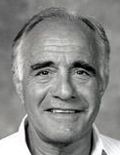
He taught us to work hard and never quit, which we’ve all carried over into whatever endeavors we pursued in our lives. Any success I personally have had in life is partially due to having a great coach like Jim Malosky. I have great respect for 'Mo' and will be forever grateful to him."

Said Hanna: "I really miss Mo. Everything I have accomplished wouldn’t of happened if it wasn’t for his guidance. He came across as this tough old-school coach but in reality was great guy who really cared for his players."