Table of Contents
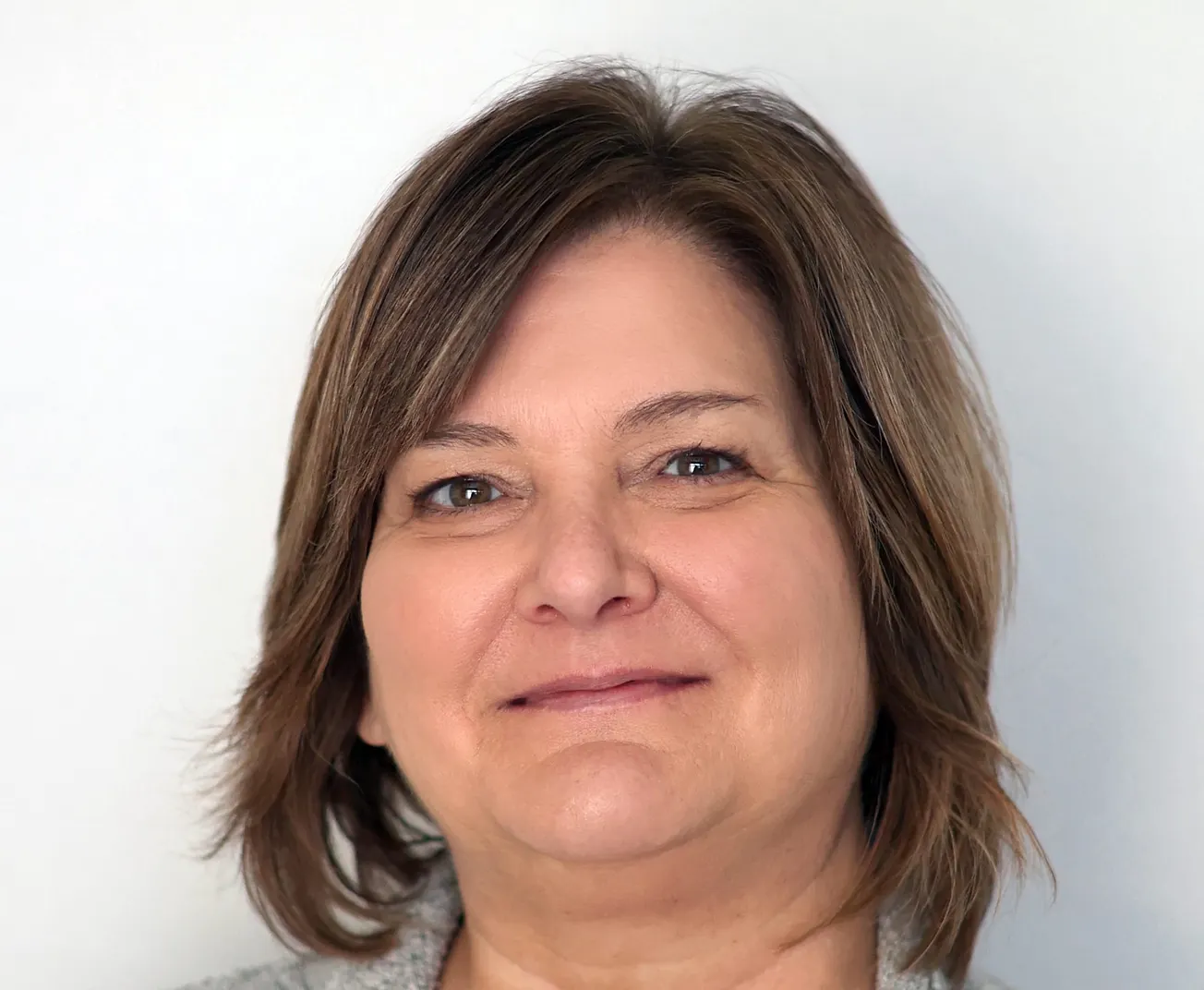
Wendy Skottegard-Burke has been promoted to Division Director of the Arrowhead Juvenile Center (AJC) located in Duluth.
Skottegard-Burke is a longtime employee of AJC, starting as a corrections counselor in 1996. Since 2015, she has been the Treatment Supervisor, overseeing treatment staff and programming at the facility, including contracted mental health, education, cultural and chaplaincy programs for our residents.
Skottegard-Burke holds a degree in criminology from the University of Minnesota Duluth. She replaces Becky Pogatchnik, who was recently promoted to Executive Director of Arrowhead Regional Corrections.
“Wendy has a strong background in correctional Evidence Based Practices and gender responsive services,” said Pogatchnik. “She’s been an integral part of AJC operations, and I’m confident she will be an effective leader for our young people, and our staff in this new role.”
AJC is a 48-bed facility that provides detention services and a variety of treatment programs for youth ages 10-18 and those with extended juvenile jurisdiction. It is operated by Arrowhead Regional Corrections, a joint powers agency that provides correctional services to Carlton, Cook, Koochiching, Lake, and St. Louis Counties.